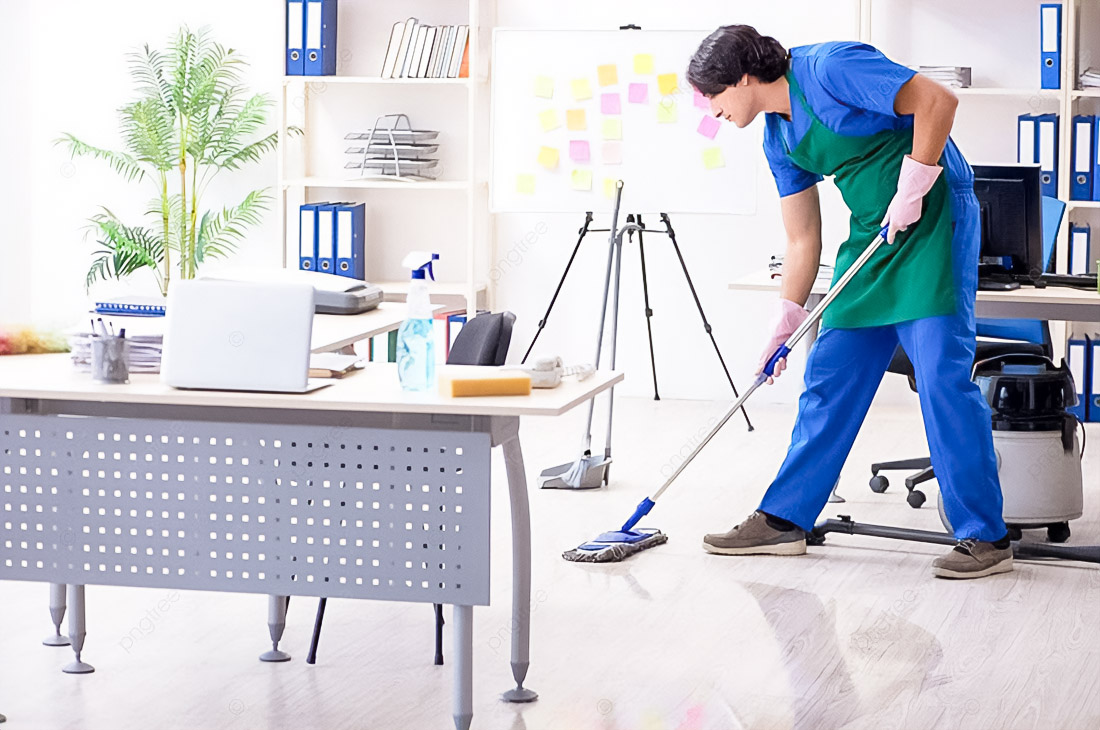
Bathrooms in office spaces are rarely the focus of attention, as long as they are all right. However, it is these areas that are the first to reveal the level of hygiene, the organization of processes and the attitude towards safety. Dozens of people, surfaces, and air currents come into contact here every day. Therefore, cleaning office bathrooms is not an episodic task, but a continuous sanitary process in which technology, control and consistency of actions are important.
The modern approach to cleaning is built around hygiene, disinfection and risk management and is increasingly associated with professional office cleaning services in structured work environments. It covers air, surfaces, consumables, and the operational condition of the premises. This format allows not only to maintain visual cleanliness, but also to create a safe and comfortable environment inside the office space.
Disinfection Of Air And Surfaces As A Single System
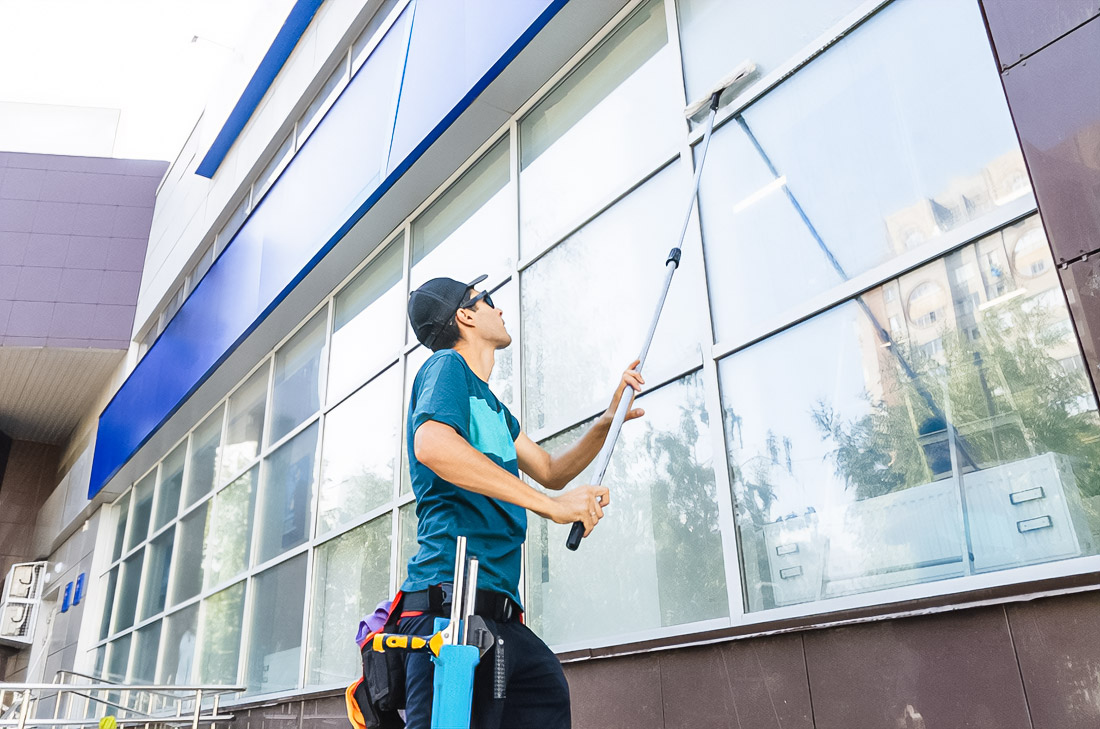
The main sanitary load in the bathrooms falls on the contact areas. Door handles, plumbing elements, partitions, dispensers and other surfaces collect microorganisms on themselves every day. That is why surface disinfection is carried out regularly and strictly according to protocols, using professional tools.
However, it is not limited to surfaces only. Air treatment plays an important role. Ultra-low volume spraying technology is used, in which the sanitizing mist evenly fills the room. It acts on airborne pathogens and then settles on surfaces, neutralizing microorganisms upon contact. In places where this method is difficult to use, electrostatic spraying is used, which allows precise processing of hard-to-reach areas.
This combined approach creates a complete sanitary environment where air and surfaces work as a single protection system.
Consumables, Odors, And Operational Cleanliness
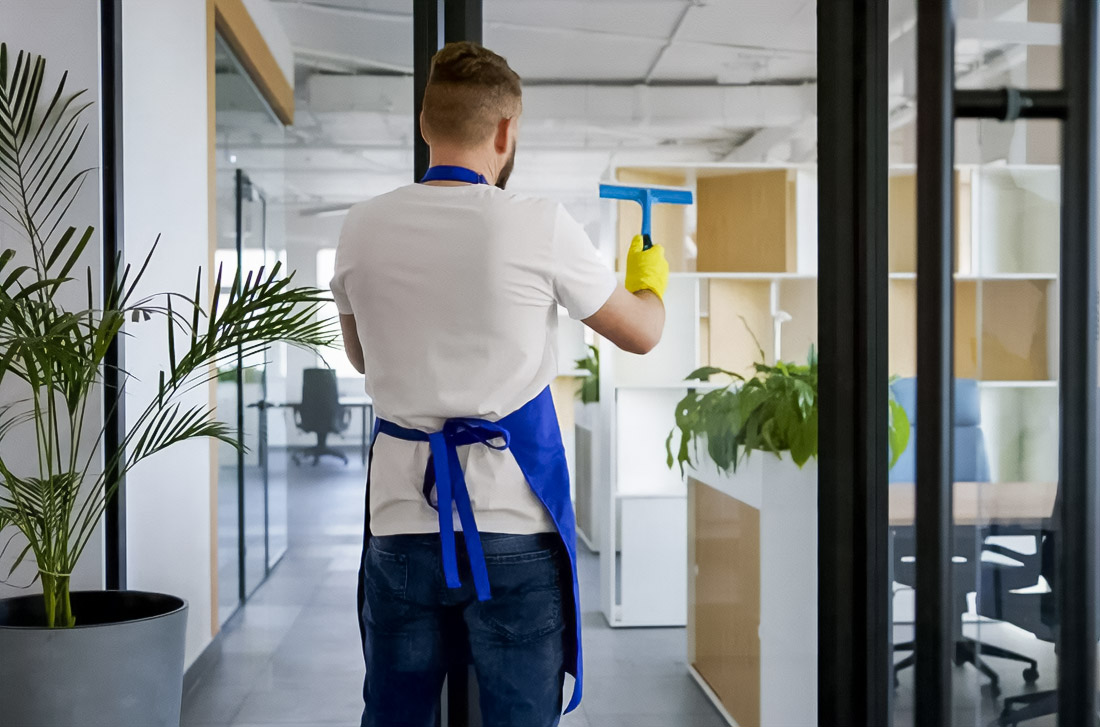
Bathroom hygiene is impossible without stable management of consumables. Soap, paper towels, toilet paper, and feminine hygiene products should be available at all times. Their timely replenishment reduces the burden on users and maintains a sense of order.
Odour control requires special attention. The sources of unpleasant odors are bacteria, viruses, mold, fungi and volatile organic compounds in the air. Therefore, deodorization systems and regularly updated air fresheners are used in conjunction with ventilation. This allows you to keep the air fresh without the effect of masking.
Operational cleaning includes cleaning floors and walls, removing dirt and lime deposits. Restoring the anti-slip properties of coatings increases safety and reduces the risk of injury, especially in high-traffic areas.
Quality Control And Organization Of Service Processes
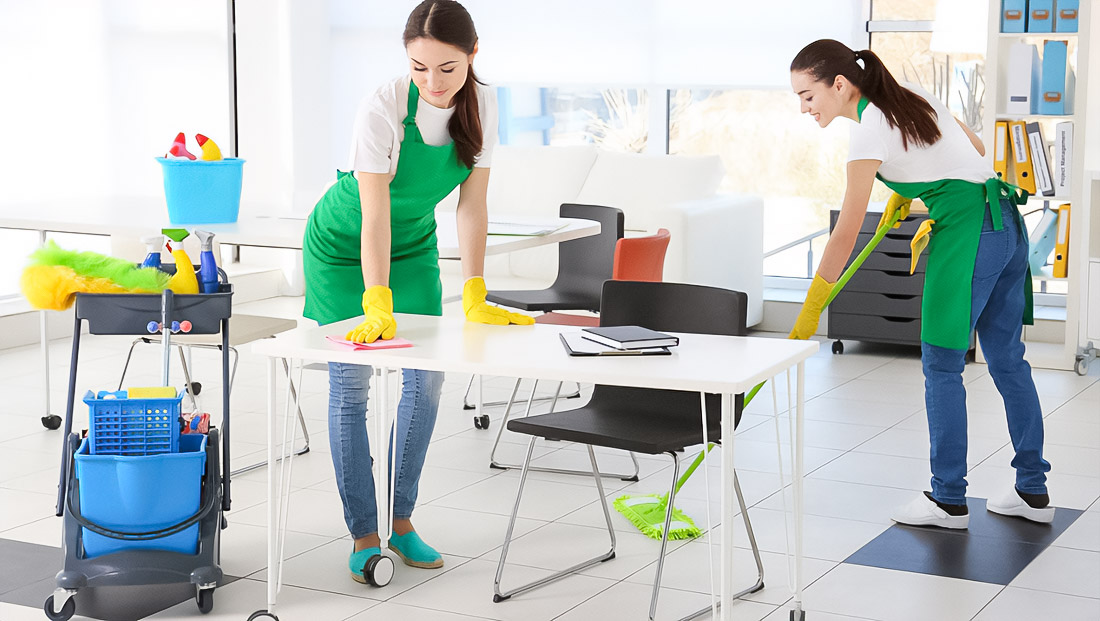
The quality of cleaning cannot be maintained without system control. For this purpose, audits are used, including photo and text recording of the condition of the premises before and after the work is completed. Additionally, the time, duration, location, and cleaning methods are recorded. This format provides a transparent understanding of what exactly has been done.
Regular inspections make it possible to maintain stable standards and adjust processes in a timely manner. This is especially important in offices with varying bathroom usage rates.
The organization of the service is based on flexibility. Mobile teams adapt to specific rooms, and cleaning plans change depending on the workload. This approach eliminates unnecessary actions and at the same time prevents sanitary failures.

Biker, hustler, fender owner, reclaimed wood collector and critical graphic designer. Performing at the crossroads of minimalism and computer science to save the world from bad design. I prefer clear logic to decoration.