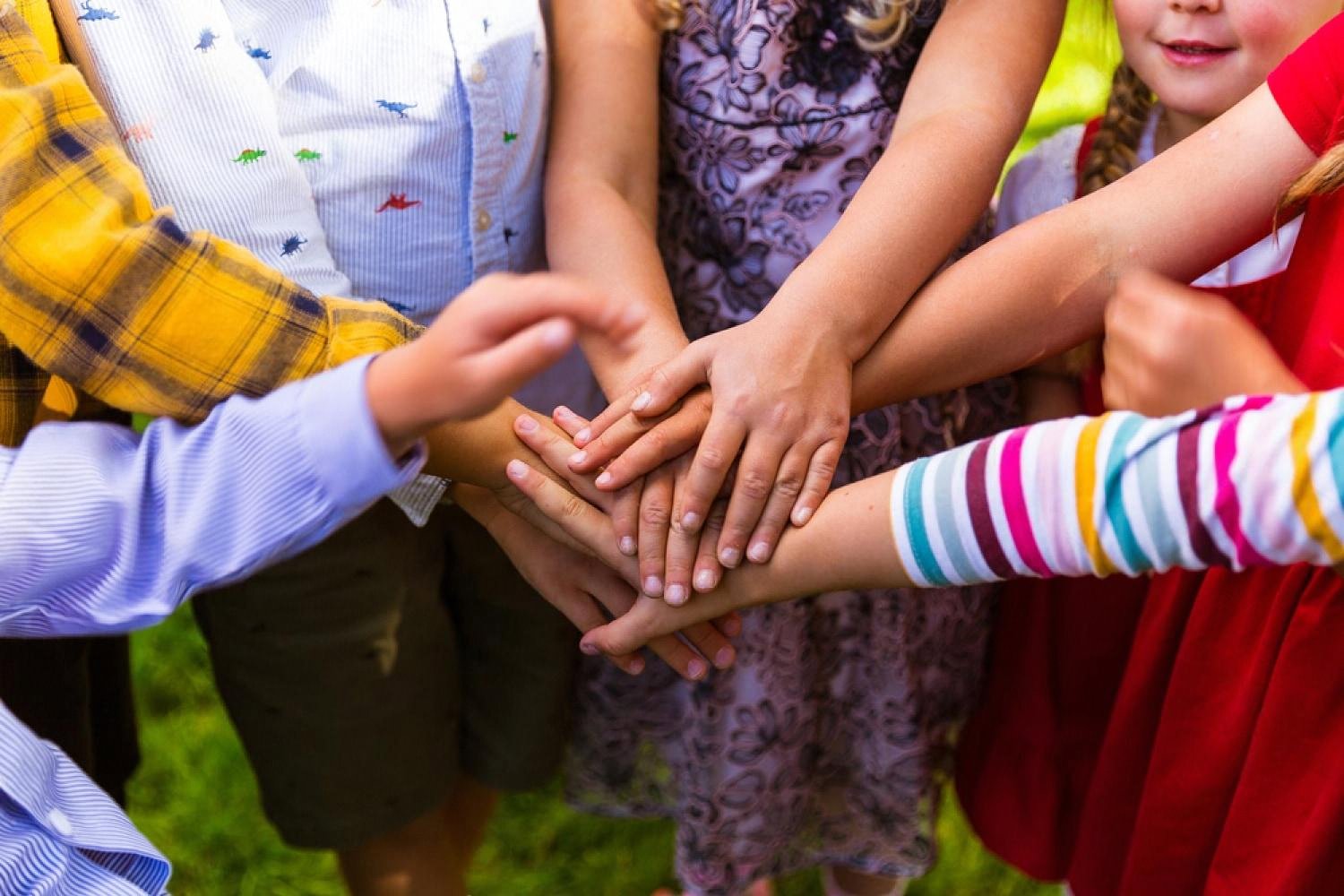
Teamwork is one of the first real social skills a child brings home from school. In the UAE, where classrooms mix nationalities, languages, and learning styles, a child who can share ideas and trust classmates settles in faster and learns more. The table below shows how teamwork skills usually build up, stage by stage, and what parents can do at each point.
Teamwork skills by age: a quick reference
| Age / stage | Core skill to build | Good activity to try | What parents can do |
|---|---|---|---|
| 4-6 years (KG) | Sharing turns and materials | Building a Lego tower in pairs | Praise cooperation, not just the finished tower |
| 6-8 years (early primary) | Listening to a partner’s idea | Small craft project in groups of two or three | Ask what their partner suggested, not only what they did |
| 8-10 years (mid primary) | Splitting a task into roles | A class poster where each child owns one section | Help them plan who does what before they start |
| 10-12 years (upper primary) | Team sport and shared wins | Football, basketball, swim relays | Talk about the team result, not just their goal |
| 12-14 years (early secondary) | Presenting group work | Group science or humanities project | Rehearse the presentation together at home |
| 14+ years | Leading and delegating | Student council, MUN, robotics club | Step back, coach instead of solving |
Start small: shared crafts and mini-projects in primary school
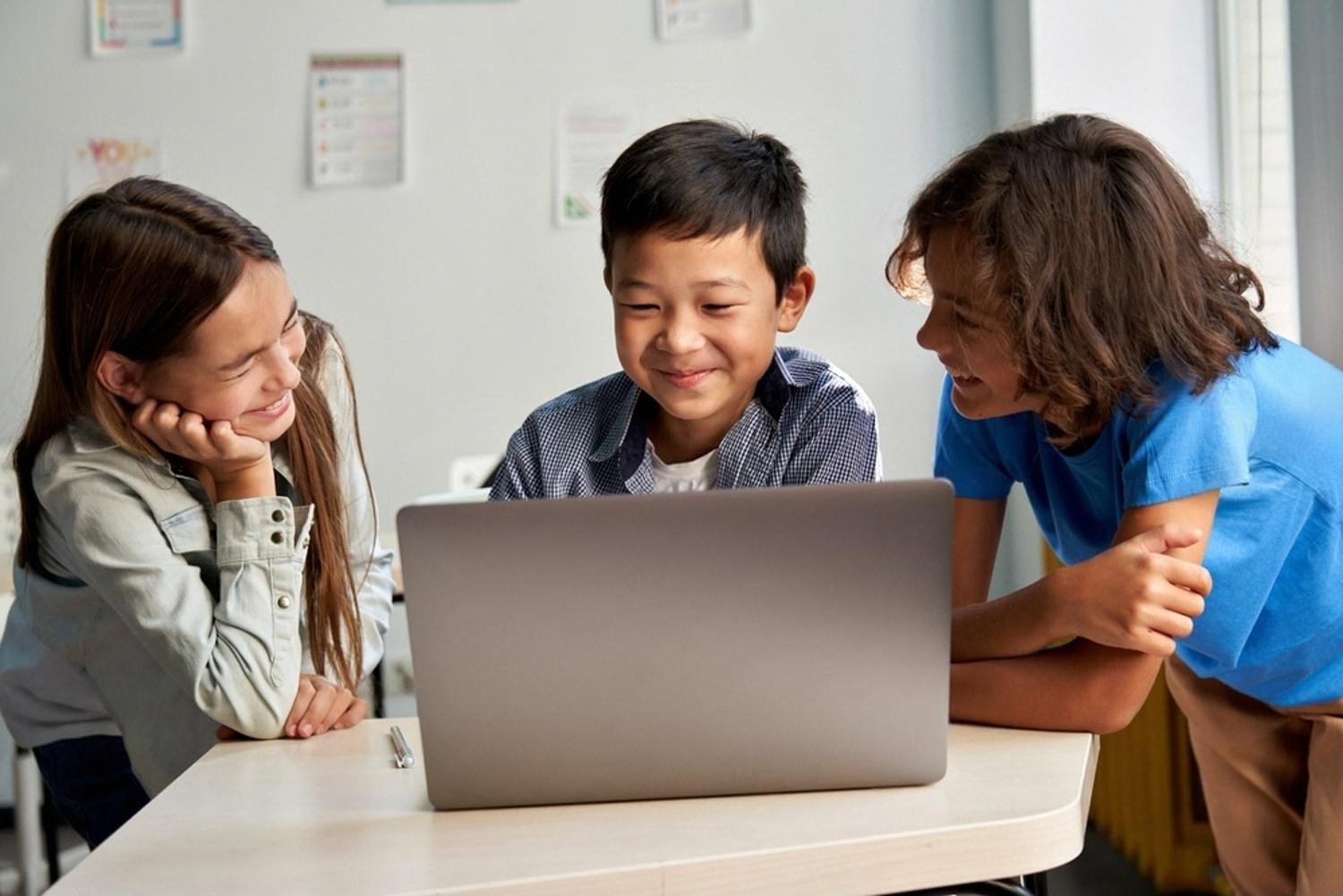
The easiest place to begin is with a small task that clearly needs more than one pair of hands. A craft that takes two children to hold and glue, a poster where one draws and one writes, a short story where each child adds a paragraph. The goal is not the craft itself. It is the moment when your child realises the finished thing looks better because someone else contributed something they would not have thought of on their own.
At home you can copy the same pattern. Cook a simple dish with a sibling or cousin, where one measures and the other stirs. Build a cardboard model together. When the project is done, ask your child a specific question: what did your partner do that you could not have done alone? That single question, repeated over weeks, teaches them to notice contributions rather than compete for credit.
Schools in the Northern Emirates have been leaning more heavily on this style of learning. Families comparing options often shortlist the best American curriculum schools in Ajman because project-based work and group tasks are baked into the timetable from the early years, not treated as an add-on.
Move up: team sports and larger group projects
Once a child is comfortable working in pairs, the next step is a bigger group with a shared outcome. Team sports do this naturally. In a football match your child quickly learns that scoring one goal does not win the game, and that a good pass can matter more than a shot. According to UNICEF research on play and learning structured group play is one of the strongest predictors of later social confidence in school-age children.
Larger academic projects work the same way. A group of four preparing a presentation on the water cycle has to split roles, agree on a design, and stand up together in front of the class. Some children will want to do everything themselves because it feels safer. Gently push back on that. Ask them who is best at drawing, who explains ideas clearly, who is calm in front of an audience. Distributing roles by strength is a life skill, and it is easier to learn at ten than at twenty.

What good teamwork looks like at home
- Your child asks a sibling or friend for an opinion before deciding
- They can name one thing a teammate did well, without being prompted
- They accept a role that is not the “main” role without sulking
- They finish what they promised to do, because others are waiting
- They can disagree with a classmate and still keep working together
Parent recommendation: pick one small joint task per week and stick with it for a term. A shared chore, a two-person craft, a card game that needs cooperation. Consistency does more than any single big activity. By the end of the school year your child will start suggesting group ideas on their own, and that is the real signal that teamwork has taken root.
Frequently asked questions
At what age should I start teaching my child about teamwork?
You can start as early as three or four years old with simple sharing games and pair activities. At this age it is not about formal teamwork, but about learning to take turns, wait, and notice what another child is doing. By the time they enter primary school in the UAE, they will already have the basic instincts that teachers build on.
My child prefers to do everything alone. Is that a problem?
Not necessarily. Some children are naturally independent and produce good work on their own. It becomes an issue when they refuse to trust classmates in group tasks, because school and later work life require both modes. Start with very short paired activities where the outcome is genuinely better with two people, so they experience the benefit rather than being told about it.
How do UAE schools usually build teamwork into the curriculum?
Most curricula followed in the UAE, including American, British, and IB, use project-based learning, group presentations, and team sports as standard parts of the week. American curriculum schools in particular tend to emphasise collaborative projects from KG onwards, with graded group assignments becoming more frequent in upper primary.
What if my child ends up in a group where others do not contribute?
This is a common frustration and a useful lesson. Coach your child to speak to the group first, then to the teacher if it continues. Avoid stepping in to complain on their behalf too early. Learning to raise a problem calmly with a teammate is a skill they will use for the rest of their life.
Are team sports better than group academic projects for building cooperation?
Both matter, but they teach different things. Team sports build quick, physical trust and the habit of celebrating a group result. Academic group work builds planning, role allocation, and shared presentation skills. Ideally a child gets a mix of both across the school year.
How can I tell if teamwork lessons are actually working?
Watch for small signals over months, not days. Does your child mention classmates by name when talking about a project? Do they credit others for good ideas? Do they accept losing a game without blaming the team? These are stronger indicators than any single grade on a group assignment.
Should shy or introverted children be pushed into group activities?
Yes, but gently and in small doses. Start with groups of two, ideally with a familiar friend. Avoid throwing a shy child into a group of six unfamiliar peers on day one. As they gain confidence in small settings, gradually widen the group. The aim is comfort with cooperation, not a personality change.

Biker, hustler, fender owner, reclaimed wood collector and critical graphic designer. Performing at the crossroads of minimalism and computer science to save the world from bad design. I prefer clear logic to decoration.